Build a baby registry by routine: safe sleep, feeding, diaper changes, clothes, bathing, and travel. Mark what you already own, buy the first-stage essentials first, and make optional or later-stage products clearly separate.
Registry4 products, compared
A baby registry checklist for the routines that matter
Build a practical baby registry checklist for sleep, feeding, diapering, clothes, and travel. Separate early essentials from items you can decide on later.
Jump to a section
The quick answer
Build a baby registry by routine: safe sleep, feeding, diaper changes, clothes, bathing, and travel. Mark what you already own, buy the first-stage essentials first, and make optional or later-stage products clearly separate.
- Inventory borrowed and already-owned items before adding gifts.
- Choose exact models and keep compatible parts together.
- Use laundry frequency to estimate clothing and cloth quantities.
- Leave future-stage purchases on a clearly labeled later list.
At a glance
The details that make a difference when you’re deciding.
| Category | Choose now | Consider later or optional |
|---|---|---|
| Sleep | Appropriate sleep surface and fitted sheet | Decor outside the sleep space |
| Clothing | A usable first-size rotation | Large future-season wardrobe |
| Cleanup | A workable supply of washable cloths | Extra specialized shapes after observing use |
| Feeding | Supplies compatible with the feeding plan | Later-stage cup and tableware |
| Travel | Equipment needed for the first journeys | Accessories for less frequent trips |
A closer look
Products mentioned in this guide
Actual product photos, manufacturer information, and direct links. Comparisons are based on published specifications; these are not hands-on test results.
01Quarry Solid Organic Baby Burp Cloths Pack of 302changing mat03Baby-Led™ Tiny Cup04on-the-go pacifier holder
01
A washable flat cloth for burping cleanup
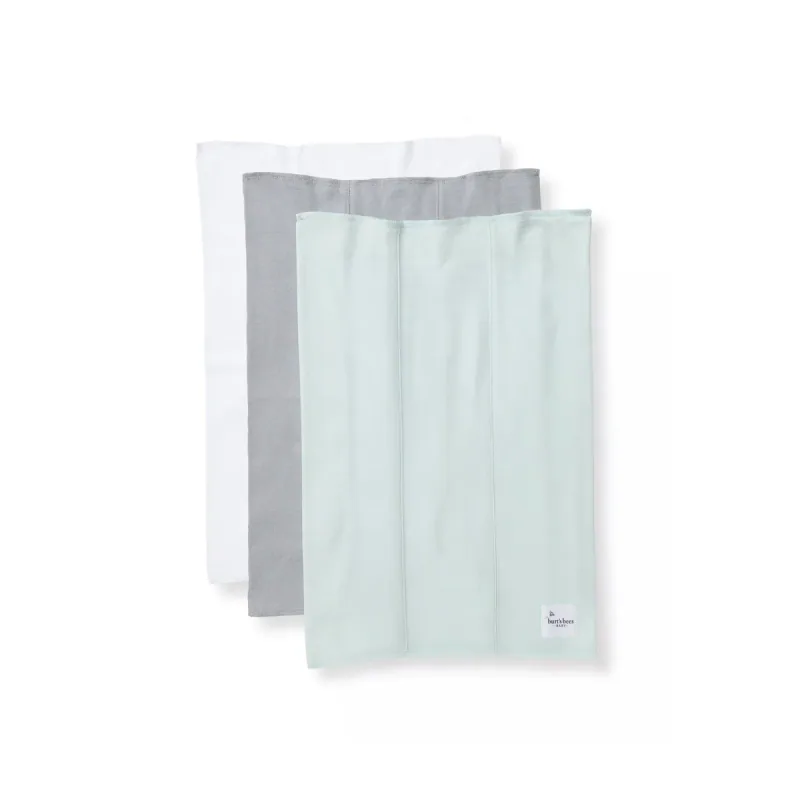
Burt's Bees BabyQuarry Solid Organic Baby Burp Cloths Pack of 3
The Quarry Solid three-pack is a concrete example of a flat cotton burp cloth. Two layers and a three-panel layout provide the construction to compare with thinner single-layer cloths. Choose enough clean cloths for the interval between washes and place coverage on both sides of the shoulder. A flat cloth still needs positioning and replacement when wet; this is not a spillproof or spit-up-prevention product.
- Pack of three
- Two-layer construction
- Three-panel layout
- Manufacturer identifies GOTS-certified organic cotton
Where it fits
- Washable cloth rotation
- Flat shape can be positioned for the task
What to weigh up
- Needs positioning on the shoulder
- Change and wash when soiled
02
A portable mat for a prepared changing kit
ubbi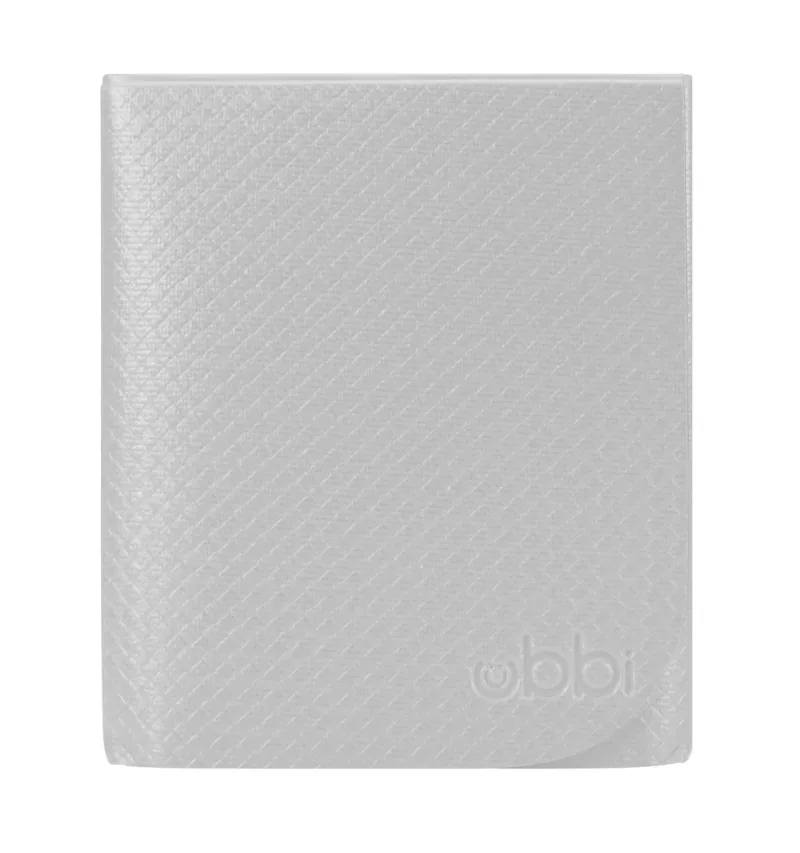
changing mat
Ubbi’s portable changing mat is a flexible mat rather than furniture or a restraint. It can help define a clean changing spot during outings, provided the location itself is suitable and the caregiver stays with the baby. Compare the folded size, cleaning routine, and surface you intend to use. A mat should be paired with the ordinary supplies for the change, without treating the product as a reason to leave a baby unattended.
- Flexible yoga-style mat construction
- Portable changing accessory
- Manufacturer lists Hexamoll DINCH material information
Where it fits
- Can be added to an existing kit
- Flexible format for carrying
What to weigh up
- Does not restrain the baby
- Follow the manufacturer’s cleaning instructions
03
A later-stage open-cup learning tool
ezpz
Baby-Led™ Tiny Cup
The Tiny Cup is an open cup for the stage when cup learning fits the child’s feeding plan. Its small format is the relevant difference from a large household tumbler. It is not a newborn essential or a spillproof travel cup. Discuss timing and appropriate contents with the child’s clinician where needed, and use close adult supervision during practice rather than expecting a product to teach the skill by itself.
- Small open-cup design
- Manufacturer identifies breastmilk, formula, and purées as possible contents
- Intended for cup-learning practice
Where it fits
- Small practice format
- Simple open rim
What to weigh up
- Not spillproof
- Stage and contents need to suit the child
04
A separate place for compatible pacifiers
ubbi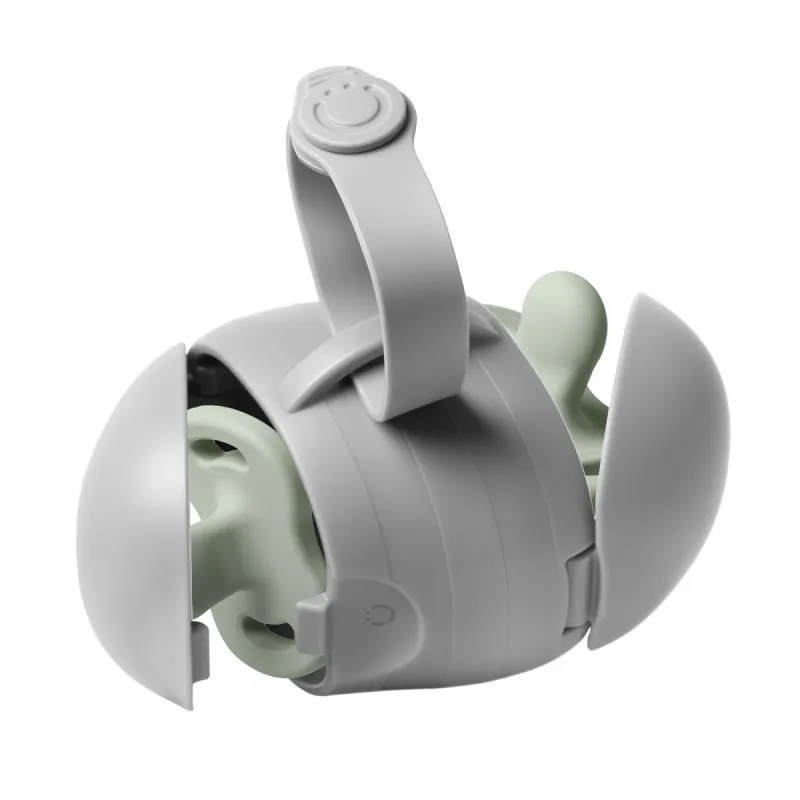
on-the-go pacifier holder
The two-compartment case gives families who use pacifiers a dedicated storage place in a bag. A snap opening and strap are convenient details, and the manufacturer allows top-rack dishwasher cleaning. Check that the pacifiers fit and follow their own cleaning instructions as well. A closed case helps organize items but does not sterilize them, so avoid treating storage as a replacement for cleaning.
- Two separate compartments
- Snap closure
- Silicone hanging strap
- Top-rack dishwasher cleaning specified
Where it fits
- Keeps two pacifiers separated
- Easy to find in a bag
What to weigh up
- Check pacifier fit
- Storage is not sterilization
The checklist: required job, useful starting point, optional extras
Sleep: identify an appropriate crib, bassinet, or play yard, its correct mattress, and fitted sheets made for that exact surface. Check the manufacturer’s instructions and current safe-sleep guidance. Keep pillows, loose blankets, positioners, and decorative objects out of the baby’s sleeping space. Buying more objects does not make a sleep setup more complete.
Feeding: list what your chosen feeding plan requires, plus a manageable cleanup supply. Bottles, pumps, and parts need exact compatibility; do not buy a large stock of one bottle style before you know it works for your household. The Burt’s Bees Baby Quarry cloth pack pictured below is one example of a flat washable burp cloth, not a feeding requirement tied to a particular brand.
Diapering: choose a changing location, diapers in a modest first supply, suitable wipes or cleaning materials, and a disposal plan. A dedicated wipes dispenser and diaper pail can be useful conveniences. They are optional equipment, and neither replaces a basic safe changing routine with supplies within reach.
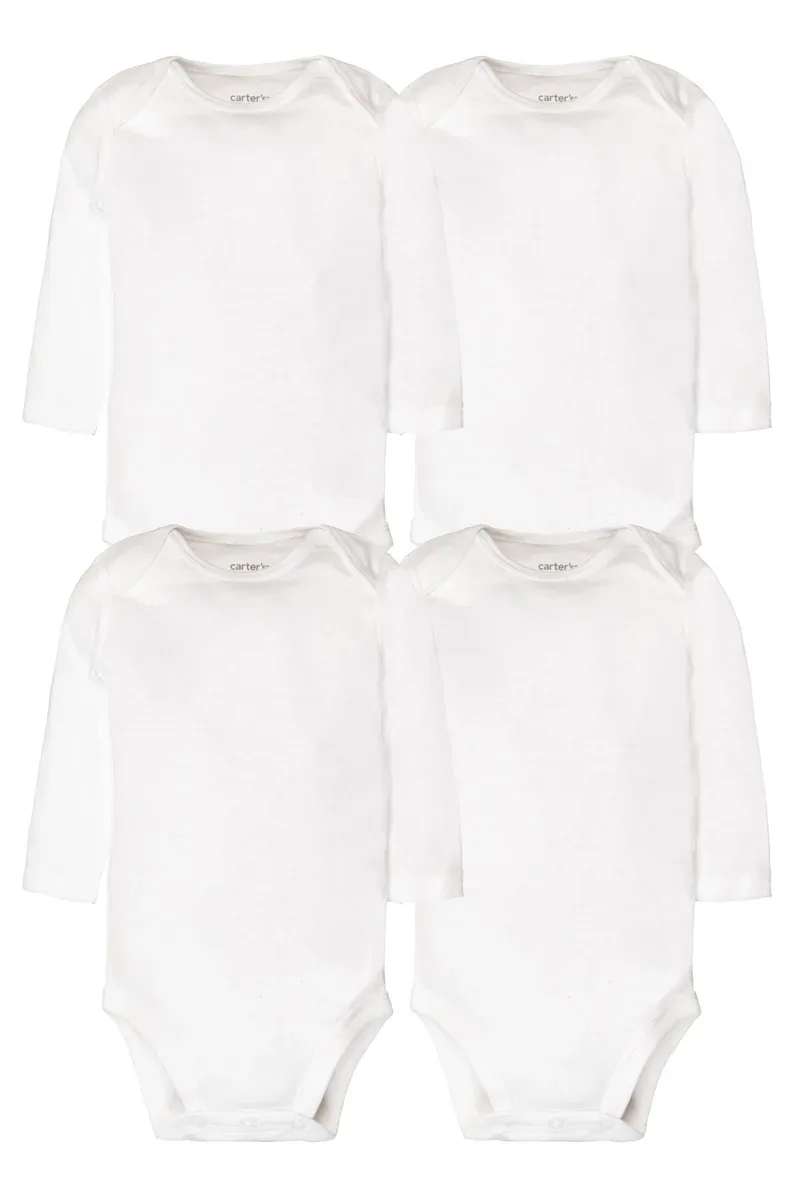
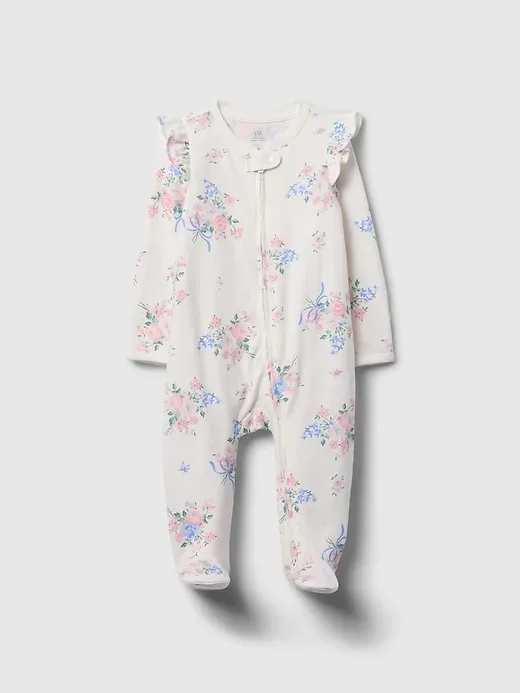
Clothing: count wearable changes, not individual pieces. A few bodysuits and bottoms or zip one-pieces can cover the first rotation. Put the current size and the next likely size in different drawers or containers. A seasonal wardrobe several sizes ahead is something to reconsider later.
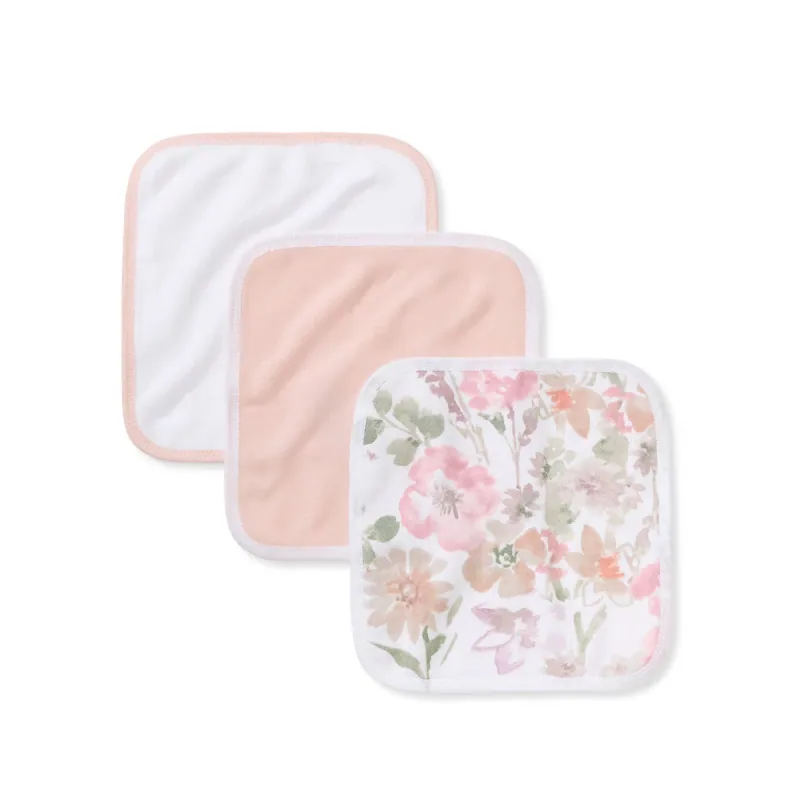
Bathing: assemble a suitable washing setup, a towel, and small cloths. A coordinated towel collection is optional. Keep what you need within reach and follow appropriate infant bathing guidance; a product is never a substitute for supervision.
Travel: if you will travel by car, choose an appropriate car seat and learn its installation before the first journey. For other outings, decide whether your household needs a stroller, a carrier, or both. Match the equipment to the baby’s stage and the caregiver’s actual routes, stairs, and storage.
A useful “later” category
Keep later tableware, older-child shoes, and toys for future stages apart from first-week needs. The ezpz Tiny Cup is an example of a product to research when cup learning becomes relevant, not something required to bring a newborn home. The product card explains its role without implying that every baby needs the same brand.
Writing “later” is not rejecting a product. It preserves space and budget while giving you time to learn what your baby uses. It also tells gift buyers why a high-chair accessory is less urgent than a missing sheet for the actual sleep surface.
Quantities without a universal shopping quota
Estimate cloths and outfits from use between washes. If four burp cloths are used during a day and laundry happens every other day, eight covers that interval before allowing for drying and a spare margin. That is a worked example, not a rule that every family uses four daily. Start with a reasonable quantity and adjust after observing the routine.
For equipment, quantity is usually about locations and compatibility rather than consumption. Two wipes containers can serve two changing spots, but two incompatible bottle systems can create extra cleaning and storage. Put a short job description beside every duplicate so you can see whether it earns its place.
Review before sharing and again after gifts arrive
Open the list as a guest. Check a clothing item, a small gift, and a larger item for the right variant and delivery details. After the shower, count physical gifts against the list, record purchases made elsewhere, and remove anything you no longer need. Keep instructions, order records, and registration information for equipment in one place.
Plan sleep and getting dressed
Choose a suitable infant sleep space, its appropriate mattress where required, and properly fitting sheets. Keep the sleep area free of loose blankets, toys, and decorative pillows. Follow NIH Safe to Sleep guidance on back sleeping and a firm, flat, separate surface.
For clothing, start with washable basics that suit the season and your laundry schedule. Include a few spare changes for outings. Use measurements and product fit instructions rather than trying to buy every future size in advance. Keep clothing needs separate from optional photo outfits.
Cover feeding and the cleanup around it
Feeding supplies depend on your family’s plan, so discuss specific equipment with your care team when appropriate. Before registering for a large collection of bottles or accessories, check compatibility and consider whether a smaller starting quantity would let you learn what works.
Include the practical cleanup layer: washable burp cloths, suitable bibs for awake supervised use, and a place for wet clothing. Keep cloths within reach at the usual feeding locations. A product that helps catch mess does not replace feeding support or medical advice if your baby has symptoms that concern you.
Make diapering and outings workable
Choose a stable changing arrangement, diapers, cleaning supplies, and a manageable way to store replacements. Think through where used clothing and supplies go as well as where clean items live. A small organized station can work without dedicated nursery furniture.
For travel, select equipment appropriate to the baby and your actual transport. Check manufacturer instructions and model compatibility before adding accessories. A diaper bag can be any suitable bag that holds the items you need; it does not have to match the stroller or nursery.
Separate now, later, and optional
Make three columns. “Now” covers the first days at home. “Later” includes products for developmental stages you have not reached. “Optional” holds items that may improve convenience but do not solve a current gap.
The Babylist checklist can help you notice categories, but your list should reflect your home. Add practical support requests too: meals, errands, or laundry. Review the registry periodically, remove duplicates, and give guests clear size and model information so their gifts are easy to use.
A few more details
Your questions, answered
What should wait until after the baby arrives?
Consider waiting on duplicate accessories, large quantities of untried products, and equipment for later stages when you do not yet know what your family will prefer.
Do I need every item on a store’s registry checklist?
No. Use categories as prompts, then choose items that fit your home, feeding plan, transport, and laundry access.
How should I decide how many burp cloths to register for?
Estimate use per day and days between washes, then allow for drying and a few spares. Adjust to your baby’s actual routine rather than treating one number as universal.
Sources & product information
Follow the original sources for current product details, instructions, and guidance.