Photo: Photo: Copper Pearl · Manufacturer photo: Copper Pearl's Genevieve cloth shown over an adult's shoulder.Jump to a section
The quick answer
Protect the route the spit-up takes: cover your shoulder with fabric extending down both the front and back, keep the edges near the landing area, and change the cloth when it is wet. A bib on your baby does not automatically cover your clothes. Prepare a spare within reach before you start.
Front and back coverage matter during an over-the-shoulder burp.
A wide cloth can still miss a spill if it folds or slides away.
Keep a fresh cloth and a spare top beside your feeding spot.
Cleanup products manage the mess; they do not treat reflux.
A clean shirt is a small thing, until changing it becomes one more job in the middle of a feed. As a mom of two, I want cleanup to ask less of the person holding the baby. My starting point is practical: work out where the spit-up is landing, then put useful coverage in that place.
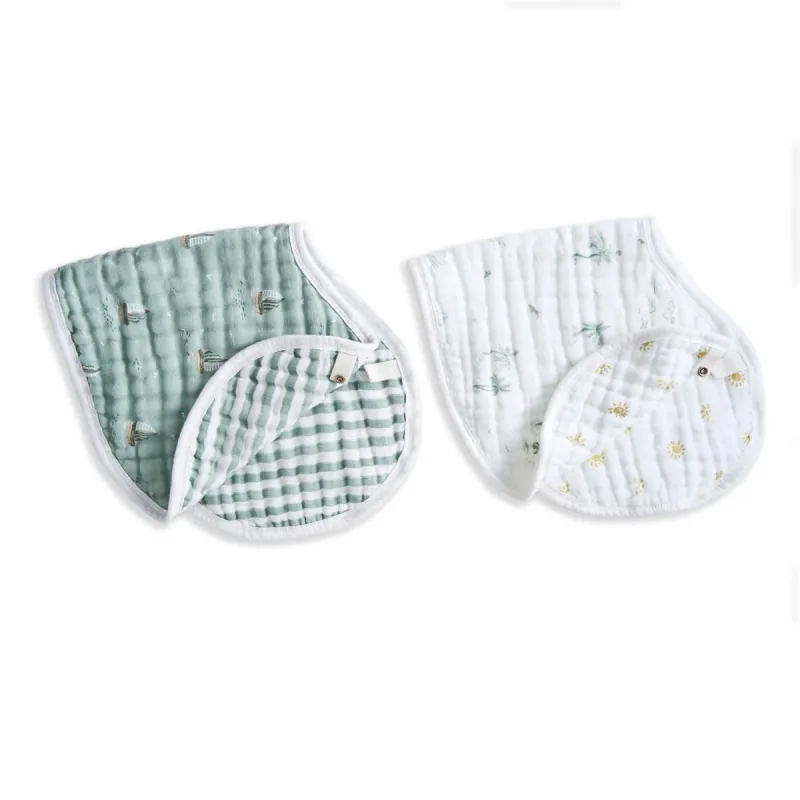
This guide focuses on protecting the adult's clothes during awake feeding and burping. For a comparison of what the baby wears and what goes on your shoulder, see burp cloth versus bib. The real products shown here illustrate different fabric shapes; this is a comparison of published information, not a claim that I have tested them side by side.
At a glance
The details that make a difference when you’re deciding.
Where the wet patch starts
Likely coverage issue
What to try
Beyond the back edge
Too little fabric behind your shoulder
Move part of the cloth backward before lifting baby
Beside your neckline
An uncovered gap or folded edge
Spread the cloth across the landing area
Under the middle of the cloth
The fabric is wet through
Replace it with a clean, dry cloth
Different places as you move
The cloth is shifting
Recheck the drape when you change position
A closer look
Products mentioned in this guide
Actual product photos, manufacturer information, and direct links. Comparisons are based on published specifications; these are not hands-on test results.
This rectangular cloth gives you a measured starting point for shoulder coverage. Cotton outer layers surround a fleece middle. The practical question is whether its width covers your usual spill area while enough length remains on both sides of your shoulder. It still needs positioning; the layered construction does not make exposed edges disappear.
21 × 10 inches
Cotton front and back; fleece middle
Three cloths per set
Where it fits
Published dimensions make coverage easier to compare
Three pieces allow a clean-spare rotation
What to weigh up
Drapes over the shoulder without an adult strap
Wet fabric needs changing
02
A curved cloth with a clearly specified care routine
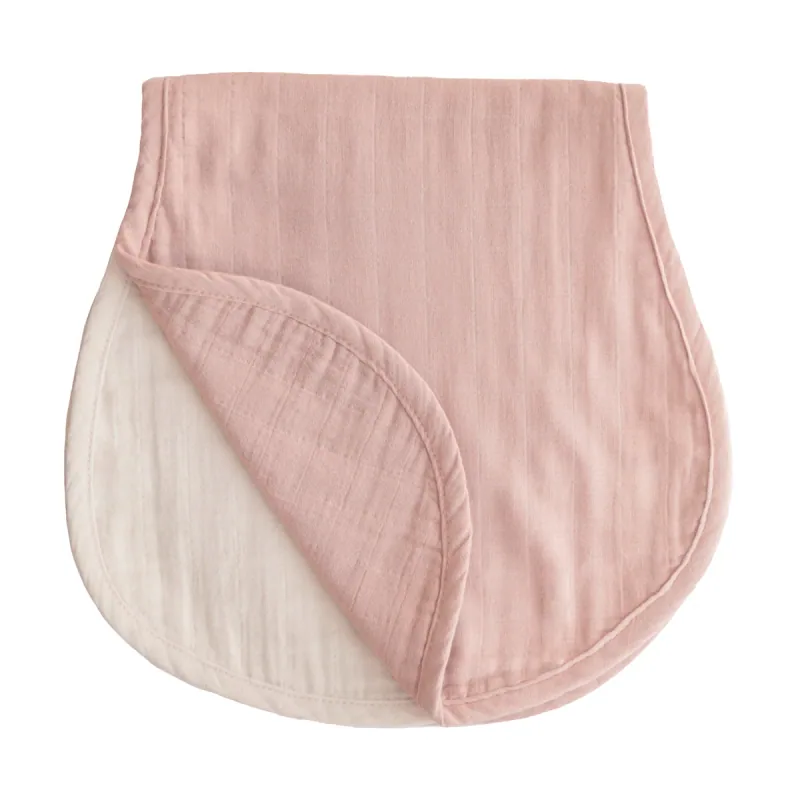
Mushie's rounded cloth offers an alternative outline for your shoulder. The organic cotton muslin is pre-washed, but the important laundry detail is the instruction to dry it flat. If your clean-cloth supply depends on quick dryer cycles, account for that difference before buying several packs.
22.5 × 11.5 inches
100% organic cotton
Two cloths; machine wash cold, dry flat
Where it fits
Rounded outline
Published measurements and washing instructions
What to weigh up
No fastening to hold it on an adult
Drying space and time are needed
Follow the spill from mouth to shirt
There are three places worth checking: the top of your shoulder, the front beside your neckline, and the area just behind your shoulder. A cloth covering your chest can leave your back exposed. A cloth pushed far behind you can leave a gap at the front.
Before lifting your baby into position, spread the cloth over the shoulder with some length on each side. Check that it has not folded into a narrow strip. Keep supporting your baby as usual; clothing coverage should fit around that support, rather than make you hold your baby awkwardly to protect a shirt.
After a spill, notice where the wet mark begins. If it starts beyond the cloth's edge, positioning or width may be the problem. If it is underneath the cloth's center, the fabric may have become saturated. Those are different problems and need different changes.
Choose coverage before buying another multipack
Length helps a cloth extend down your front and back. Width provides room on either side of the landing area. A shoulder curve may make the fabric easier to arrange, but photographs cannot tell you how the outline will fit your shoulder.
For a concrete size comparison, Copper Pearl's Genevieve cloths are listed at 21 by 10 inches, while Mushie's organic cotton cloths are listed at 22.5 by 11.5 inches. Compare those dimensions with a cloth you already have. An extra inch in a useful direction may matter more than the print.
Avoid treating “absorbent” as a promise that liquid cannot reach clothing. Every cloth has edges, and a soaked section needs changing. For broader options that also protect the baby, start with bibs for spit-up.
Make a feeding spot you can reset quickly
Place a clean cloth where you can reach it with one hand before beginning. Keep the spare separate from the cloth currently in use so you can identify it without unfolding a stack. A nearby washable container gives used items a clear destination after the baby is settled.
Include a spare adult top if repeated outfit changes are a practical concern. Choose something you can remove comfortably and wash according to its label. There is no need to turn every feeding spot into a fully stocked nursery station: the useful supplies are the ones you actually reach for.
If another adult takes over, tell them which cloth is clean and where the spare is. A setup that makes sense to someone else is more helpful than one that depends on you remembering every detail.
Use a simple sequence during an awake feed
Put the clean cloth in position before bringing the baby to your shoulder.
Maintain your usual secure support and keep the baby's face clear.
Check the front and back edges when you change your own position.
Use a fresh section for a small wipe, or replace the cloth when it is wet.
When the feed is finished, remove the feeding items and reset the clean supplies.
The point is fewer interruptions, not a perfect sequence every time. If the cloth slips, pause and rearrange it while keeping your baby supported. Do not add safety pins, improvised ties, or clips near the baby's face to make a loose cloth stay put.
An absorbent cloth is a surface for cleanup, not a support for a baby's head or a restraint. If you cannot change a wet cloth safely while holding your baby, settle the baby in an appropriate safe place first.
Keep wet fabric from becoming tomorrow's problem
After use, check the care label rather than assuming all muslin can go through the same wash. Mushie specifies cold washing and drying flat for the cloth shown here. That means planning a drying space instead of relying on the dryer for the next feed.
For your own shirt, follow the garment's instructions and check any stain treatment on an inconspicuous area. Deal with soiled clothing when practical; you do not need to interrupt caring for the baby to save a fabric.
A useful rotation includes the cloth in use, a clean replacement, and whatever is washing or drying. Adjust the quantity after you see how often changes happen. Our burp-cloth quantity guide helps translate that routine into a manageable starting number.
Protect clothes without changing safe sleep
A bib or shoulder cloth is for awake, supervised use. Remove the bib before putting your baby down, and keep loose cloths out of the sleep space. The Canadian Paediatric Society recommends back sleeping on a firm, flat surface and specifically advises removing bibs.
Spit-up does not make a cloth under the baby's head or an inclined sleeping arrangement the answer. If you are becoming too sleepy to continue holding your baby safely, put them in their own safe sleep space. A damp shirt can wait.
For health concerns, the American Academy of Pediatrics distinguishes effortless spit-up from forceful vomiting. Contact your pediatrician promptly about blood in vomit or forceful vomiting after feeds. A coverage product cannot assess or treat the cause.
Why this matters to me as we develop mybetterbib
I do not want a mom to need an elaborate cloth arrangement just to keep her own back dry. That is part of why we are creating mybetterbib: the adult's comfort belongs in the design alongside the baby's.
The planned design changes direction between baby and mom, with a separate parent strap for shoulder use. Its absorbent wraparound shelf is intended to catch spit-up traveling toward the front or back. A silicone interior is intended to help the shape settle into place, so there is less cloth to keep rearranging when you would rather be sleeping.
Non-toxic materials and easy washing are design goals, with final specifications and testing still ahead. mybetterbib is in development, not a proven way to prevent every spill. You can read the product FAQ and join the launch list for Kickstarter updates.
Until then, the useful starting point is already available: check the spill's route, give yourself enough clean coverage, and keep the next cloth within reach. Explore the spit-up and burping guides for more help with the everyday cleanup decisions.
A few more details
Your questions, answered
Why does spit-up reach my back when my baby is wearing a bib?
A baby-worn bib mainly covers the baby's clothing. During an over-the-shoulder burp, spit-up can land beyond that bib and behind your shoulder. Use adult shoulder coverage with enough fabric extending down the back as well as the front.
Should I use two burp cloths at once to protect my shirt?
A wider or better-positioned single cloth may be simpler than managing two loose pieces. Doubling fabric does not fix an uncovered edge. Keep a fresh replacement ready, and keep all fabric clear of your baby's face.
How can I tell whether I need a bigger cloth or just a fresh one?
Look at where the wet patch begins. A spill beyond an edge suggests a coverage gap; a wet patch beneath the center suggests that section has become saturated. Adjust the drape for the first problem and change the cloth for the second.
Will mybetterbib stop spit-up from happening?
No. mybetterbib is being developed to catch and absorb the mess and provide coverage for baby or mom. It is not a reflux treatment. Its planned shape, materials, fit, and performance still need final testing before launch.
Sources & product information
Follow the original sources for current product details, instructions, and guidance.
Compare a burp cloth and bib by coverage, absorbency, and everyday use. See what protects baby, what protects your shoulder, and where convertible designs fit.
Compare absorbent bib options for spit-up, including terry bibs and convertible muslin designs. Check coverage, age guidance, fit, and realistic expectations.
Estimate your burp cloth supply from daily use, laundry turnaround, and travel backups. Use clear examples and adjust a starter set without overbuying.