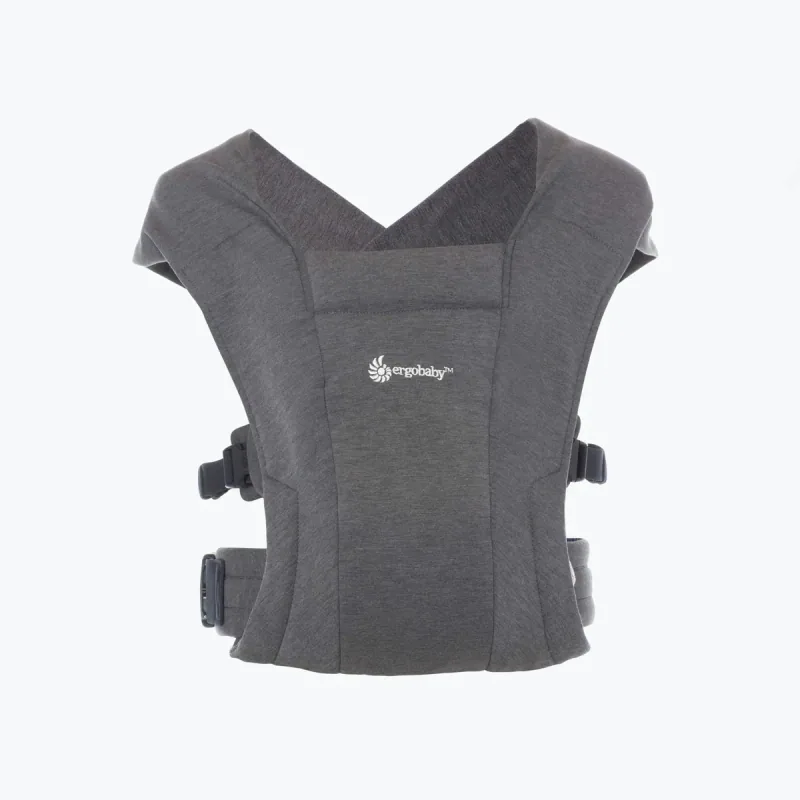
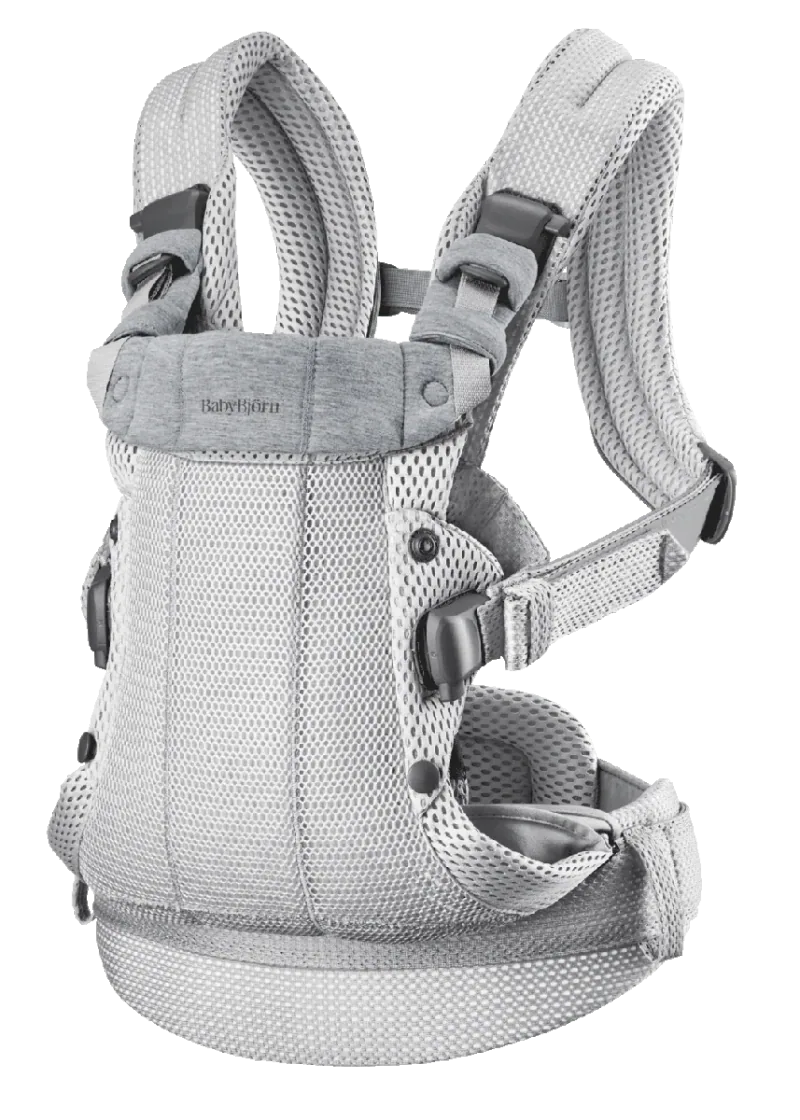
Tush Baby is commonly searched as two words, while the brand is Tushbaby. Its basic hip carrier is a seat worn at the adult's waist to support carrying; it still requires an adult arm around the baby. If your goal is fully hands-free carrying, examine the exact product configuration rather than assuming the basic hip seat provides it.
Gear1 products, compared
Tush Baby explained: hip-seat support and hands-free limits
Learn what the Tushbaby hip carrier does, when an adult arm is still required, and how to compare a hip seat with a conventional baby carrier.

Jump to a section
The quick answer
Tush Baby is commonly searched as two words, while the brand is Tushbaby. Its basic hip carrier is a seat worn at the adult's waist to support carrying; it still requires an adult arm around the baby. If your goal is fully hands-free carrying, examine the exact product configuration rather than assuming the basic hip seat provides it.
- Tushbaby Hip Carrier: repeated up-and-down carries with one supporting arm.
- Use the exact model manual, including all size and developmental limits.
- Compare the complete package and current return terms before purchasing.
- Details come from manufacturer documentation; Emily has not claimed hands-on testing.
A closer look
Products mentioned in this guide
Actual product photos, manufacturer information, and direct links. Comparisons are based on published specifications; these are not hands-on test results.
01
Repeated up-and-down carries with one supporting arm
TushbabyTushbaby Hip Carrier
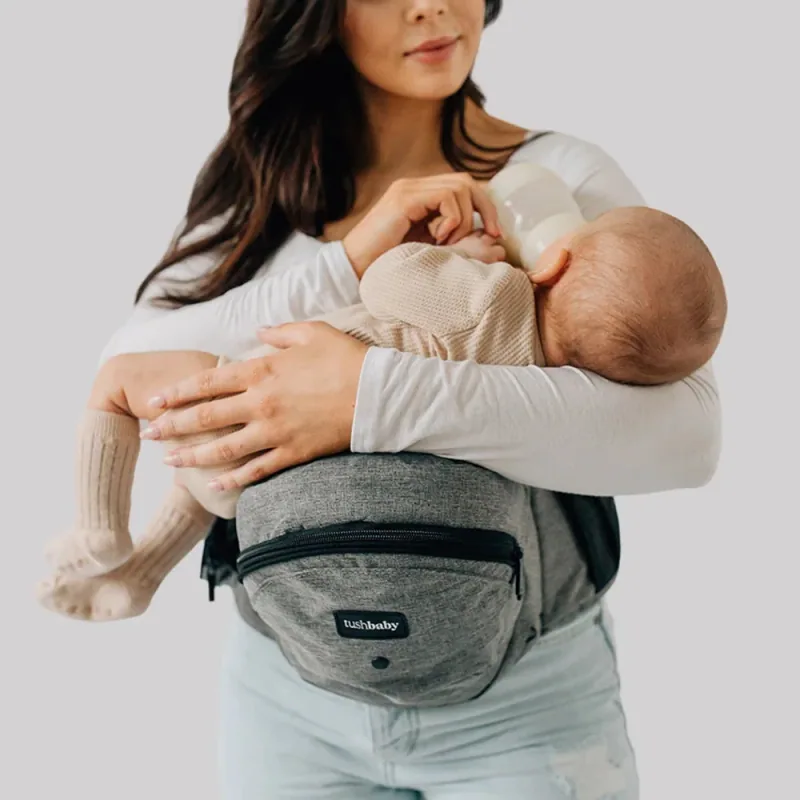
Tushbaby is a hip seat: the child sits on a platform attached to a wide adult waistband. That is useful for a child who asks to be picked up and put down repeatedly, because there is no full fabric panel to adjust each time. The seat by itself does not secure the child hands-free. Keep a supporting arm around the baby and follow the stage-specific directions, including the separate rules for newborn feeding support. Pockets may replace a small bag on a short outing, but they do not change the support required.
- Structured seat attached to an adult waistband
- Storage pockets built into the carrier
- Seat alone requires continuous adult support
- Different use directions by developmental stage
Where it fits
- Quick up-and-down access
- Integrated storage
What to weigh up
- Not hands-free by itself
- Waistband fit and pressure vary by wearer
The hip seat and a full carrier are different purchases
The Tushbaby Hip Carrier is a waistband with a supporting platform and storage. Place the child only as the manufacturer instructs, and keep an arm around the baby when using the seat alone. It can reduce how much weight your arms carry, but it does not independently secure the child to your body. That difference should decide whether it belongs on your shortlist.
Tushbaby also sells other carrying products and attachments. Read the title and included-parts list carefully instead of assuming every photograph shows the basic hip seat. A hands-free attachment has its own compatibility, size and developmental requirements. A bundle is not interchangeable with a seat-only purchase, and another brand’s attachment should not be improvised onto it.
When the design is most relevant
Think of an older baby or toddler who wants to be picked up at the grocery shelf, put down a moment later and held again before you reach the checkout. A hip seat can reduce repeated setup because you are not adjusting a full carrier panel each time. Compare that convenience with the fact that one arm remains occupied supporting the child.
It is less suited to a task where both hands must stay free. Cooking over heat, carrying hot drinks or doing something that prevents you from supporting and watching the child is not solved by adding a seat under them. For a sustained hands-free carry, investigate a properly fitted full carrier instead of trying to use the hip seat outside its purpose.
Newborn support is a separate use case
The brand describes feeding support for newborns and other carrying positions after sufficient head and neck control develops. That does not mean a newborn can simply sit upright on the platform like a toddler. Read the stage-specific directions and keep the baby’s head and body supported throughout the appropriate use.
If you are comparing products for a very young baby, include a newborn-ready carrier such as those in our carrier guide. The goal is to find a setup that meets the child’s present needs, not stretch a convenient accessory across every stage.
Try waistband comfort before filling the pockets
Follow the placement directions, tighten the belt correctly and practice with help. Notice where the platform sits and whether the waistband presses into a sensitive area, slides or needs constant readjustment. Try the approved carry with the child’s weight supported before adding phone, keys and other belongings. A full pocket changes the practical bulk even when it does not change the product’s basic function.
For a caregiver recovering from birth or dealing with pain, comfort should be reassessed rather than treated as something to tolerate. Stop if the fit hurts and seek appropriate advice. Check the maker’s sizing and extension options instead of improvising a fastening solution.
Finally, read the cleaning instructions for the fabric and internal support before washing. Keep the seat dry and inspect the buckle, hook-and-loop area and seams. A quick daily check takes less effort than discovering a damaged fastening while already holding the baby.
Know which Tushbaby product you mean
Start on the official Tushbaby hip-carrier page. The brand distinguishes its basic seat from other products and accessories. Compare the contents of the package and the instructions for that particular configuration.
This matters when a video shows an attachment that is absent from the listing you are about to buy. Save the exact product name and verify compatibility directly with the maker. A similar shape or matching fabric color does not establish that two pieces are approved to work together.
Understand the basic hip-seat job
A basic hip seat provides a platform that takes some of the baby's weight while the adult continues to support the child. Tushbaby explicitly states that its standard hip carrier is not fully hands-free. It describes different uses by stage, including feeding support from birth and other carrying positions later.
Use the precise instructions for age, development, weight and position. Feeding support for a newborn does not mean the seat can hold a newborn upright without full support. Do not combine a broad age range with an unrelated demonstration and assume it authorizes every pictured position.
Decide whether frequent pickups are your main problem
A hip seat is worth considering if your child repeatedly asks to be carried and then wants to get down again. Think about the walk to a playground, moving around a family gathering or waiting in a queue. These are different needs from carrying continuously on a long outing.
Write down whether the task requires both hands. If it does, the basic hip seat may not meet it. Also consider what you carry in your other hand, whether you need to bend or reach, and whether simply pausing the task would be easier than adding equipment.
Compare comfort in your own routine
Try the belt placement exactly as instructed and check whether it stays secure. Pay attention to pressure and how the seat feels when the child moves. If more than one adult will use it, each should practice adjustment and lifting the baby on and off while maintaining support.
Avoid treating claims about comfort as a promise to resolve back or pelvic pain. If carrying hurts, stop and seek individualized advice rather than tightening repeatedly or continuing because the product is popular. A good fit should make the intended carrying task manageable.
Check care, storage and the total purchase
Look at cleaning instructions, storage pockets and where the carrier will live between outings. A feature is useful only if it makes the routine easier; pockets do not change the requirement to support the baby.
Before buying an additional attachment, confirm that it is approved for your exact seat and appropriate for your child's stage. Read the full instructions again, since an added component changes the configuration. Keep the distinction clear: the basic hip seat supports a carry, while hands-free use requires a product specifically designed and approved for that purpose.
A few more details
Your questions, answered
Is Tushbaby hands-free?
The basic Tushbaby hip carrier is not fully hands-free; an adult arm must support the baby. Check the instructions for any separate approved hands-free configuration.
Can a newborn sit upright on the Tushbaby hip seat?
Do not equate newborn feeding support with unsupported upright carrying. Follow the exact age, development and positioning requirements for the product.
Can a newborn sit upright on Tushbaby like a toddler?
Do not assume so. The manufacturer describes separate newborn feeding-support use and later carrying positions after adequate head and neck control. Follow the stage-specific instructions and support the baby throughout.
Who should compare a hip seat with a full carrier?
A caregiver doing frequent up-and-down carries may find the seat convenient. Someone who needs both hands free should compare an appropriate full carrier or a specifically approved complete system.
Sources & product information
Follow the original sources for current product details, instructions, and guidance.